Huayang South China Sea Narrative
Wu Shicun Attends the 2nd Manila Dialogue on the South China Sea 2025 in the Philippines
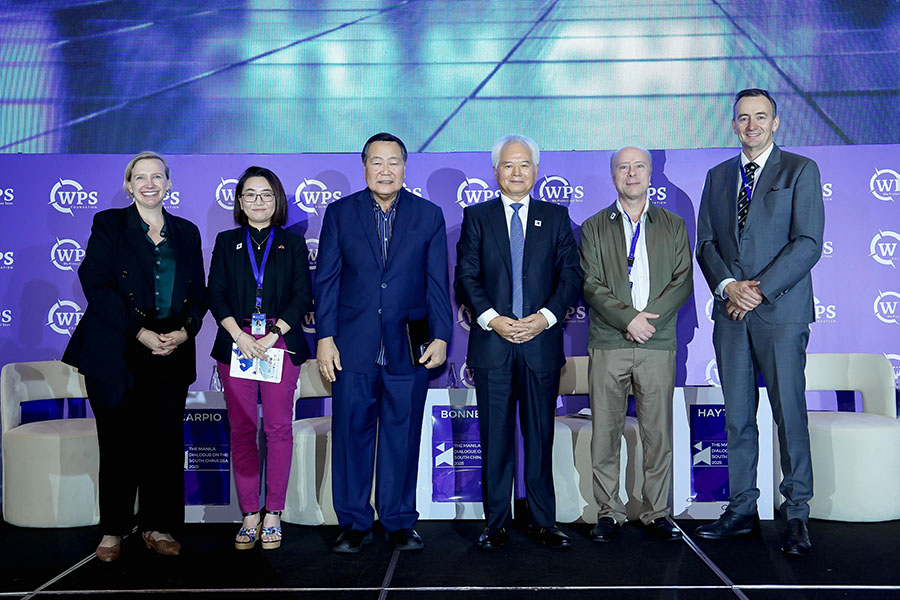
On November 5–7, Wu Shicun, Chairman of the Huayang Center for Maritime Cooperation and Ocean Governance and Chairman of the Academic Committee of the National Institute for South China Sea Studies (NISCSS), was invited to attend the 2nd Manila Dialogue on the South China Sea in Manila, the capital of the Philippines.
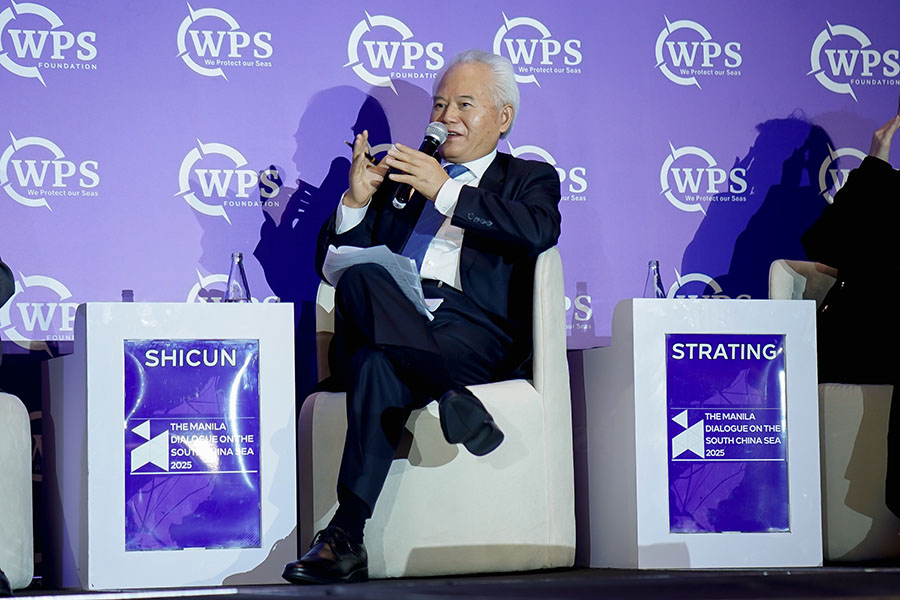
Wu Shicun delivered a speech on Panel 1, "History Versus International Law? Understanding Historic Rights and Modern Maritime Zones in the South China Sea," delivering a presentation titled "History and Legitimacy of International Law: What do We Need in the South China Sea?"
Wu Shicun, drawing on the China-Philippines disputes over the Ren'ai Jiao, the Huangyan Dao issue, and the nature and negative consequences of the South China Sea Arbitration Award, forcefully refuted the misconception, which is held by some countries, that "history contradicts international law." He emphasized that China has, since ancient times, continuously and effectively exercised sovereignty and jurisdiction over the South China Sea islands and adjacent waters. After WWII, China recovered the South China Sea islands on the basis of internationally binding documents such as the Cairo Declaration and the Potsdam Proclamation. History and international law, Wu Shicun stressed, are not mutually exclusive; on the contrary, international legal practices grounded in historical fact are what provide legitimate foundations for claims. Wu Shicun argued that the key to peacefully resolving South China Sea issues, lies in all parties correctly understanding the region's historical evolution and the post-WWII international order, viewing China's legitimate claims rationally, excluding interference by extra-regional states, and jointly constructing a new South China Sea narrative - one that truly turns the South China Sea into a sea of peace, friendship, and cooperation.
The dialogue was convened jointly by the Philippines NGO "We Protect Our Sea," the Philippine Coast Guard, the Philippine "West Philippine Sea" Transparency Group, and the National Security Council of the Philippines, and organized in cooperation with partner institutions including the Konrad Adenauer Stiftung, the Asia Pacific Foundation of Canada, and the Japan Foundation.
More than 200 representatives—including scholars, diplomats, international organizations, and practitioners—from over twenty countries such as China, Vietnam, Malaysia, Indonesia, Singapore, Palau, the United States, Canada, Japan, France, Germany, and Australia attended the event.
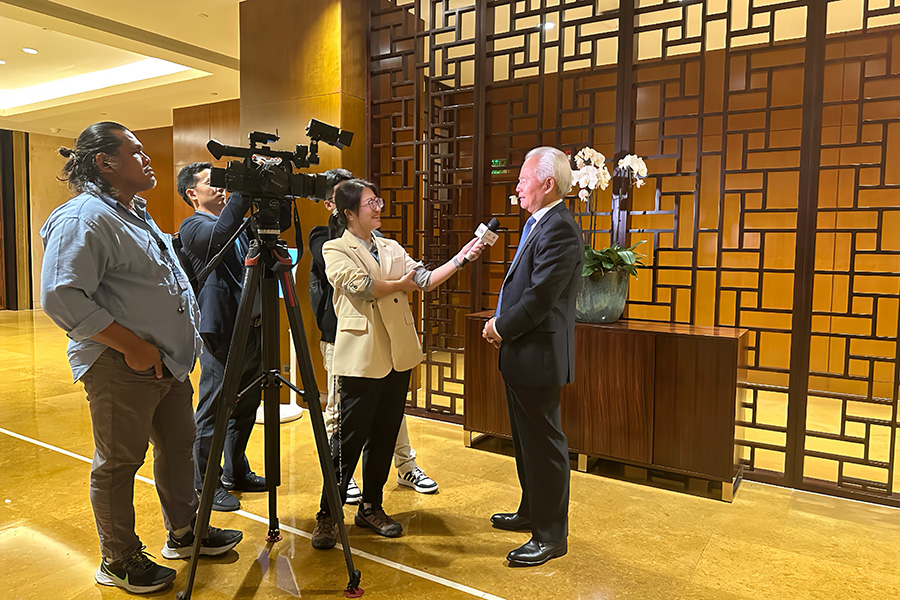
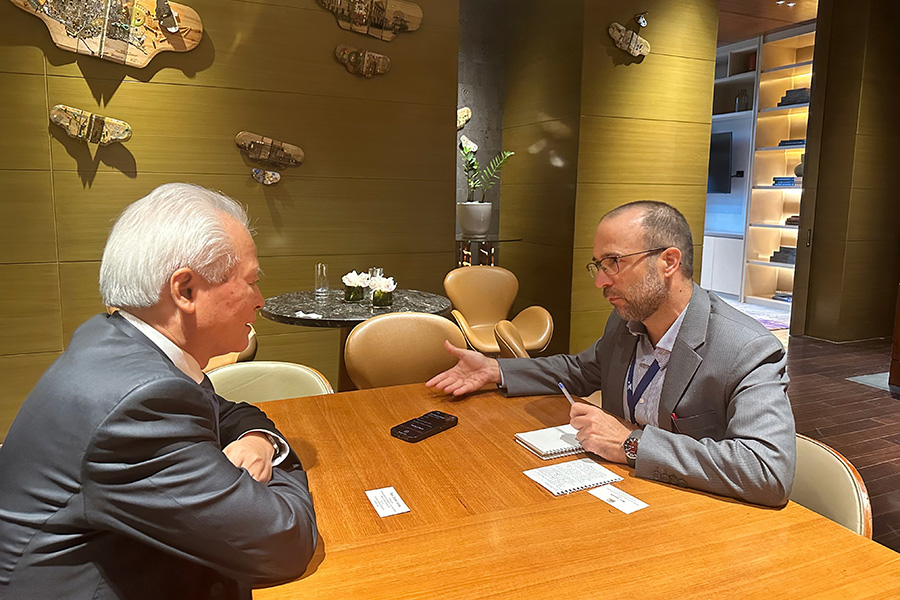
During the conference, Wu Shicun gave exclusive interviews to journalists from China Media Group, People's Daily, China News Service, Xinhua News Agency, and Neue Zürcher Zeitung. He discussed China's historic rights in the South China Sea, unilateral infringements by certain claimant states, the Philippines' use of social media in narrative competition and cognitive shaping, and the experience of Chinese scholars participating in international academic exchanges.
While in the Philippines, Wu Shicun also paid a courtesy visit to Zhou Zhiyong, Chargé d'Affaires of the Chinese Embassy in the Philippines.