Huayang South China Sea Narrative
The South China Sea Sub-Forum of the Boao Forum for Asia successfully held in Boao
From March 26 to 27, 2026, the South China Sea Sub-Forum of the Boao Forum for Asia Annual Conference 2026 was successfully held in Boao. It was jointly organized by the National Institute for South China Sea Studies, the Huayang Center for Maritime Cooperation and Ocean Governance, the China Oceanic Development Foundation, the Chinese Global Program Center of China Media Group, and the Secretariat of the Boao Forum for Asia.
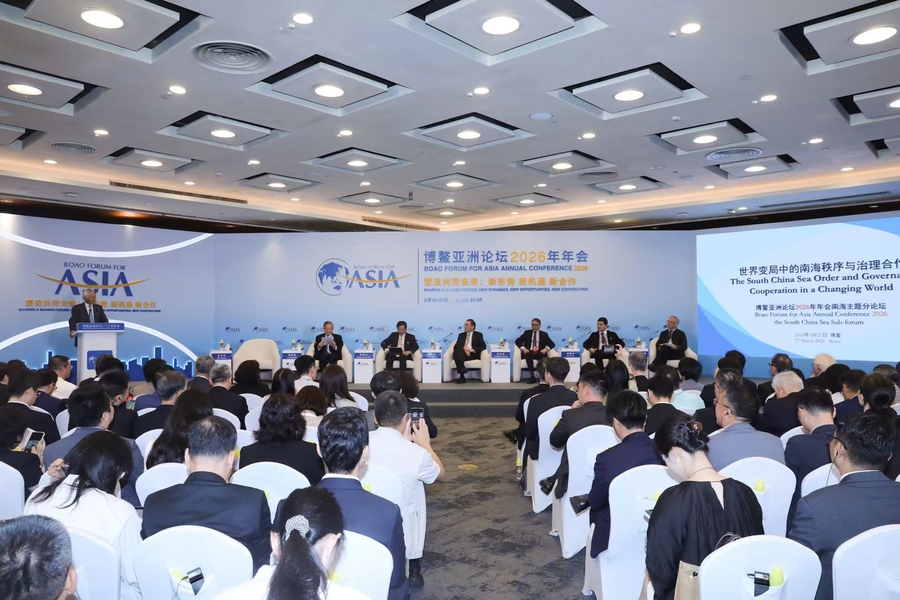
The sub-forum, themed “The South China Sea Order and Governance Cooperation in a Changing World,” conducted in-depth discussions and exchanges on such topics as “Innovations and Practical Roadmaps for Cooperation Mechanisms under the Current Situation in the SCS,” “Marine Environmental Protection as the Link: Forging a New Pattern of China-ASEAN Governance,” “Rules and Order in the SCS: Reflection and Pathways,” and “High-Quality Development of Marine Economy in the SCS Region and the Construction of Hainan Free Trade Port.”
This sub-forum attracted nearly 200 experts and scholars, government officials, diplomats, business representatives, and media representatives from nearly 20 countries and regions, including China, the United States, the United Kingdom, Canada, Australia, Ireland, the Republic of Korea, Viet Nam, the Philippines, Indonesia, Singapore, Malaysia, Thailand, Cambodia, and Myanmar. The sub-forum consisted of two parts—an open session and panel discussions—and lasted for two days.
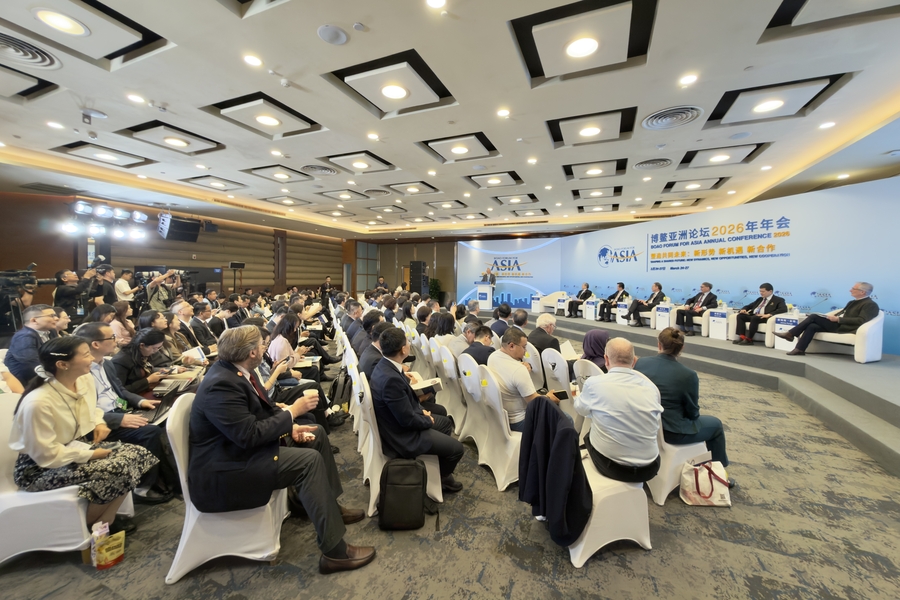
The open session was chaired by Wu Shicun, Chairman of the Huayang Center for Maritime Cooperation and Ocean Governance and Chairman of the Academic Committee of the National Institute for South China Sea Studies. Liu Zhenmin, China’s Special Envoy for Climate Change and former Under-Secretary-General of the United Nations; Nguyen Hung Son, President of the Diplomatic Academy of Viet Nam; David Harland, Executive Director of the Centre for Humanitarian Dialogue; Zheng Yongnian, Dean of the School of Public Policy at The Chinese University of Hong Kong, Shenzhen and Chairman of the Guangzhou Institute of the Greater Bay Area; Oh Ei Sun, Principal Adviser of the Pacific Research Center of Malaysia and Senior Fellow of the Singapore Institute of International Affairs; and James Kynge, Senior Research Fellow for China and the World, Asia-Pacific Programme, Chatham House, delivered keynote speeches at the open session.
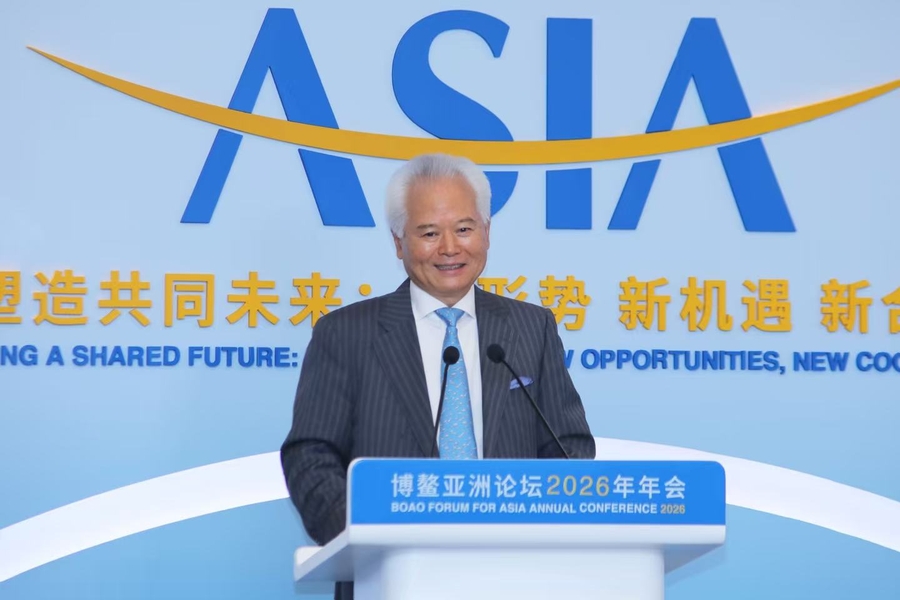
Wu Shicun, Chairman of the Huayang Center for Maritime Cooperation and Ocean Governance and Chairman of the Academic Committee of the National Institute for South China Sea Studies, chaired the open session.
Liu Zhenmin noted that the current Middle East crisis has triggered chain reactions in global energy supply and the world economy, and this region has also been seriously affected. East Asian countries should draw profound lessons from the painful experience of the Middle East, safeguard the current state of peaceful coexistence among East Asian countries, and work to build regional arrangements for upholding common security in East Asia, so as to ensure long-term peace and stability in the region and protect the smoothness and security of sea lanes in the South China Sea. China and ASEAN countries should accelerate consultations on the Code of Conduct (COC), enhance mutual trust, and expand maritime cooperation. East Asia should also step up energy transition and build a new energy system that supports regional energy security.
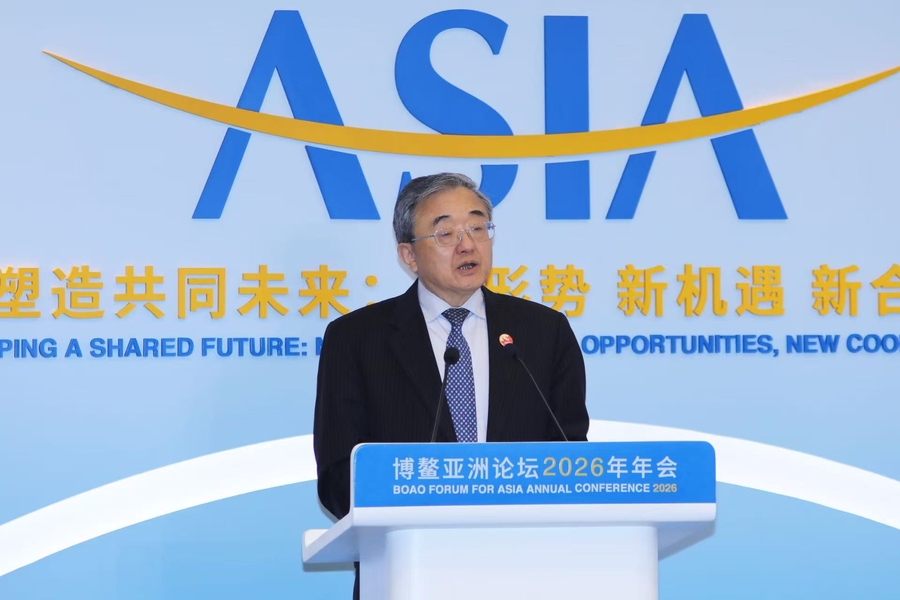
Liu Zhenmin, China’s Special Envoy for Climate Change and former Under-Secretary-General of the United Nations, delivered a keynote speech.
Nguyen Hung Son noted that the world is undergoing a transition toward multipolarity, with centers of power shifting toward Asia and countries of the Global South. Some major powers, driven by their own interests, disregard international law, intensify contradictions, and increase uncertainty in the international situation. Peace and stability in the South China Sea should not be taken as natural or automatic; regional countries must consolidate mutual trust through active efforts. He suggested that all countries strengthen self-restraint, respect the principles of the Charter of the United Nations, and take the United Nations Convention on the Law of the Sea as the foundation for maintaining regional stability. Nguyen Hung Son also spoke positively of the recent bilateral dialogues between Viet Nam and China, especially the “3+3” strategic dialogue mechanism on diplomacy, defense, and public security, which is of vital importance to enhancing bilateral relations and promoting mutual trust.
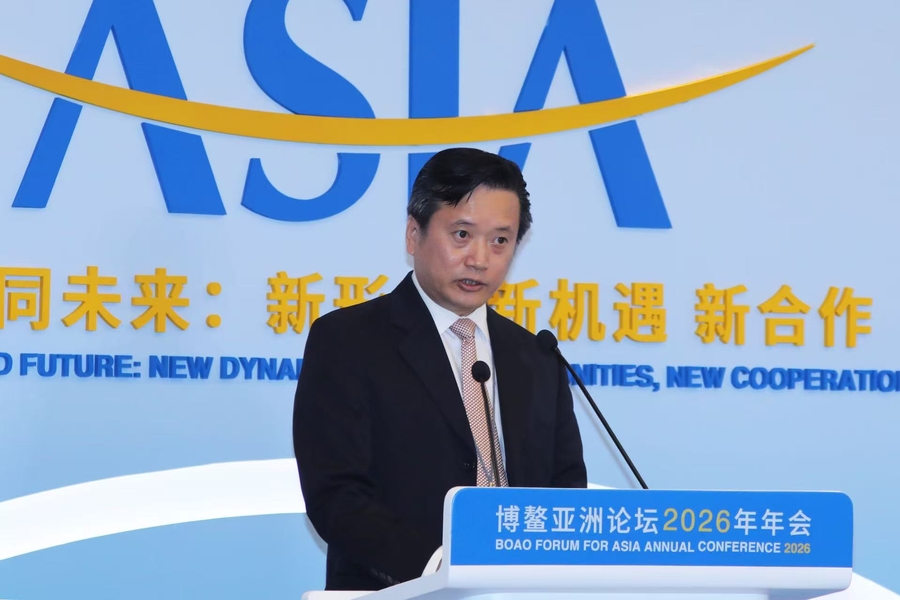
Nguyen Hung Son, President of the Diplomatic Academy of Viet Nam, delivered a keynote speech.
David Harland noted that the sub-forum provided an important platform for all parties to discuss how to strengthen South China Sea governance and implement concrete action plans. He said that China and ASEAN countries could promote effective governance in the South China Sea by strengthening self-restraint, formulating legal and behavioral norms suited to the region and advancing the better implementation of these norms through collective commitments, establishing effective mechanisms and relevant institutions, and expanding cooperation in low-sensitivity areas.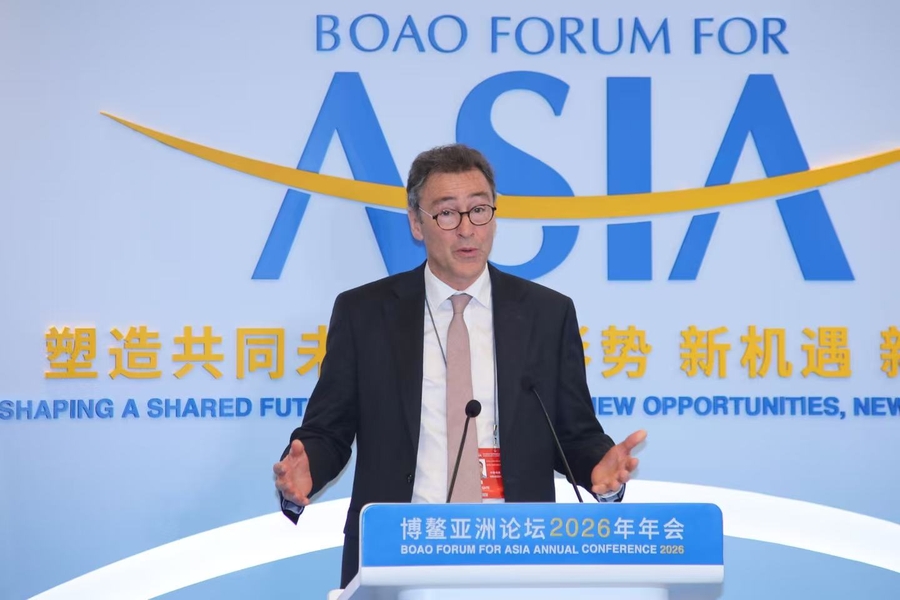
David Harland, Executive Director of the Centre for Humanitarian Dialogue, delivered a keynote speech.
Zheng Yongnian pointed out that China–US competition has profoundly affected the international situation and the trajectory of the South China Sea issue. The purpose of competition between China and the United States should be to promote cooperation, rather than to fall into a vicious Cold War-style cycle or open conflict. China’s core interest in the South China Sea is the question of sovereignty, while the United States’ concerns focus more on geopolitical space. The two are not entirely irreconcilable and could be managed through institutional arrangements that guide the United States to play a constructive rather than disruptive role in the Western Pacific.
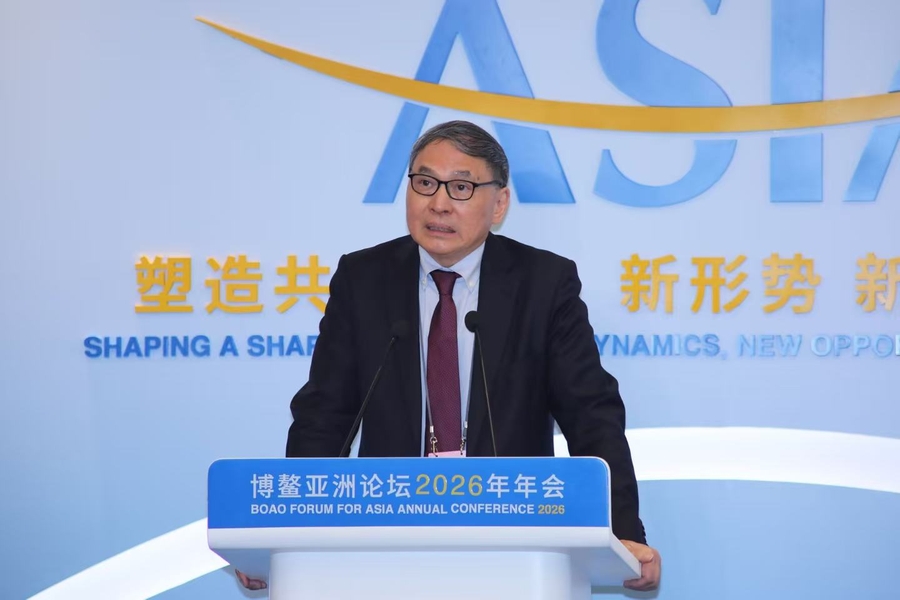
Zheng Yongnian, Dean of the School of Public Policy, The Chinese University of Hong Kong, Shenzhen, and Chairman of the Guangzhou Institute of the Greater Bay Area, delivered a keynote speech.
Oh Ei Sun pointed out that Southeast Asian countries have consistently adopted a pragmatic approach in handling the South China Sea issue. Against the current backdrop of complex major-power competition, the countries concerned should achieve stability through greater contact and interaction, rather than through actions that could lead to escalation. All parties should set aside ideological and sovereignty differences, promote routine and technical contacts and cooperation, and maintain the momentum of cooperation in such areas as sustainable resource management and marine scientific research in the future, treating these as a shared responsibility.
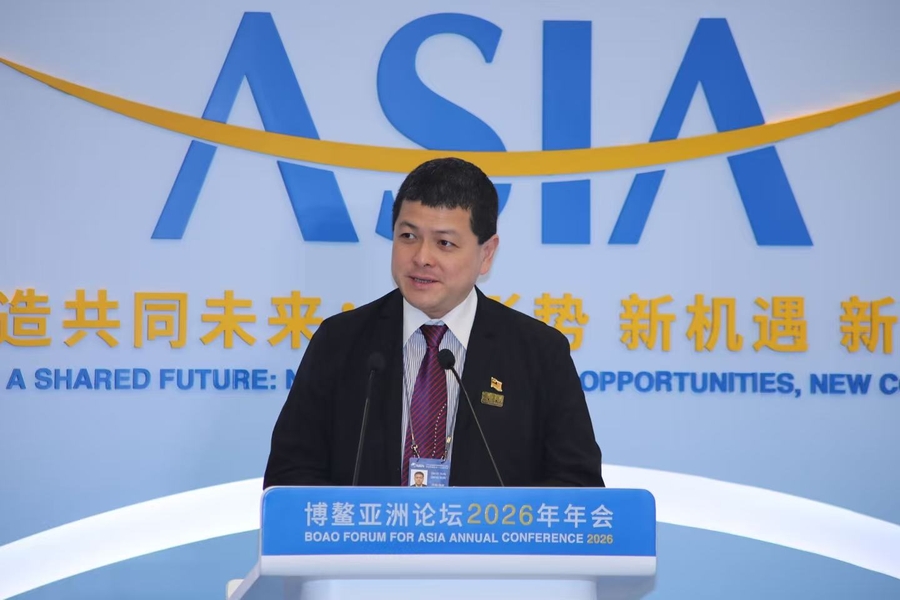
Oh Ei Sun, Principal Adviser of the Pacific Research Center of Malaysia and Senior Fellow of the Singapore Institute of International Affairs, delivered a keynote speech.
James Kynge noted that stability of navigation in the South China Sea has an important impact on the European economy and even the global economy. China has benefited greatly from China–Europe economic and trade cooperation, and therefore maintaining stability in the South China Sea is not only an international responsibility, but also an inevitable choice for China in safeguarding its own core interests. James Kynge further noted that a legally binding, enforceable rules-based framework consistent with international law would greatly enhance the confidence of European countries and global markets in peace and stability in the South China Sea and the security of sea lanes.
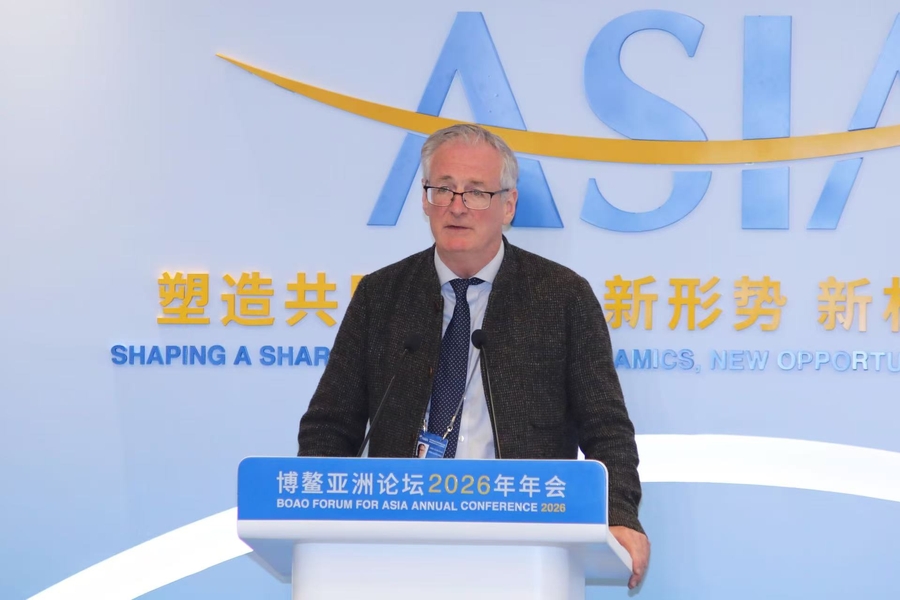
James Kynge, Senior Research Fellow for China and the World, Asia-Pacific Programme, Chatham House, delivered a keynote speech.
In addition, Wu Shicun, Chi Fulin, President of the China Institute for Reform and Development and President of the Hainan Free Trade Port Research Institute, and Lv Bin, Chairman of the China Oceanic Development Foundation, respectively delivered keynote speeches and remarks at the panel discussion and other sessions.
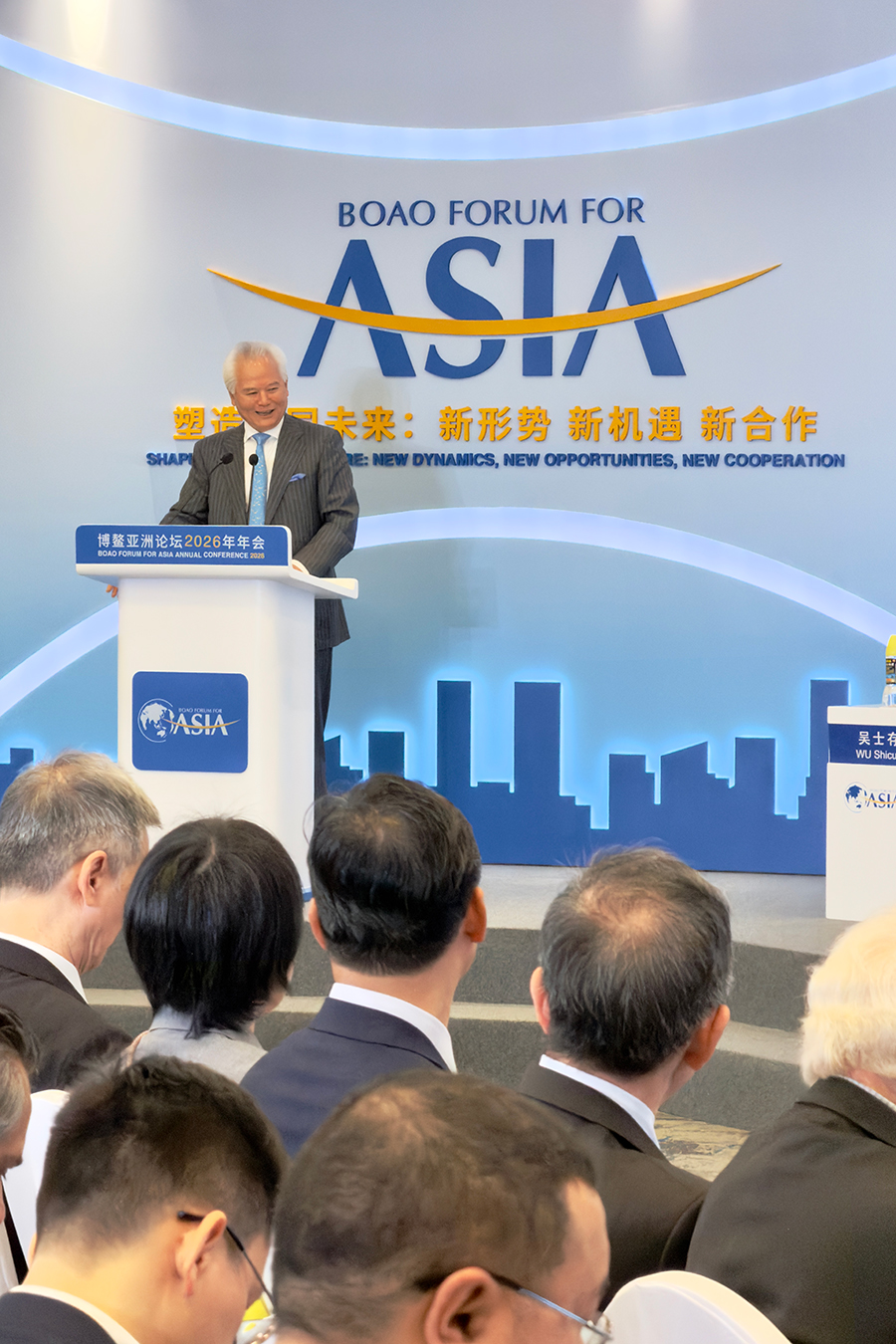
In his keynote speech, Wu Shicun stated that the situation in the South China Sea remains generally peaceful and stable, but negative factors still exist and warrant vigilance, such as the United States’ policy of “taking sides” on the South China Sea issue, the lingering toxic influence of the South China Sea arbitration award, the intervention of extra-regional countries, and unilateral actions by relevant claimant states. In this regard, Wu Shicun put forward four proposals for safeguarding peace in the South China Sea. First, stabilize the situation. China and the United States should formulate rules to avoid conflict, and parties to the disputes should refrain from taking unilateral actions that could escalate or complicate the disputes. Second, manage potential risks. Resolutely prevent unilateral oil and gas development or the occupation of uninhabited islands and reefs in disputed waters, and oppose such measures as the abuse of third-party dispute settlement mechanisms in violation of the spirit of the Charter of the United Nations. Third, promote dialogue. Make good use of bilateral and other dialogue mechanisms, seek common ground while reserving differences, and enhance mutual trust while dispelling doubts. Fourth, pursue the joint governance of the South China Sea. Deepen functional cooperation under the framework of the Declaration on the Conduct of Parties in the South China Sea (DOC), advance COC consultations and mechanism innovation, establish a security architecture covering the South China Sea, and truly make the South China Sea a sea of peace, friendship, and cooperation.
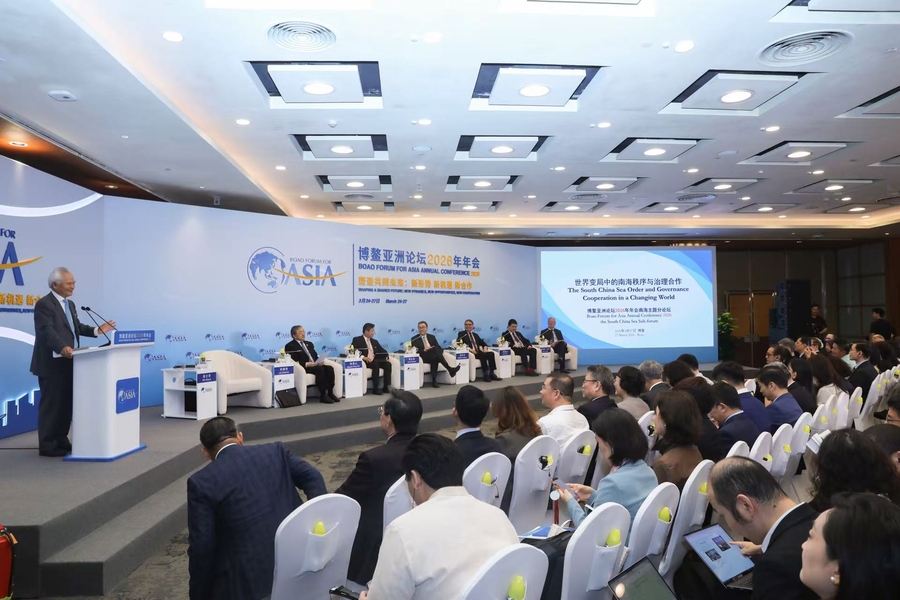
South China Sea Sub-Forum of Boao Forum for Asia Annual Conference 2026
Lv Bin introduced the China Oceanic Development Foundation’s commitment to promoting peace and stability in the South China Sea through pragmatic project cooperation, and put forward three suggestions for cooperation. First, economic development should serve as the link to consolidate the foundation for common prosperity in the South China Sea region. Second, marine environmental protection should serve as the entry point for building a pragmatic cooperation platform for China-ASEAN marine governance. Third, youth development should serve as the foundation for building a talent pool for cooperation on South China Sea governance. Chi Fulin analyzed the impact of the Middle East crisis on energy supply in the region and offered suggestions on how Hainan could strengthen cooperation with regional countries to jointly respond to the crisis.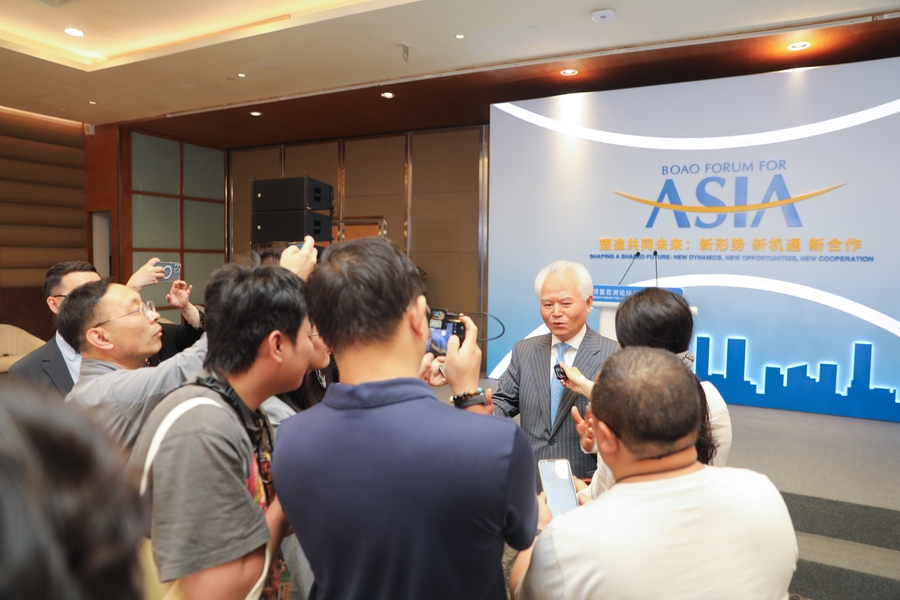
Wu Shicun receives media interview
Since its inception in 2014, the South China Sea Sub-Forum of the Boao Forum for Asia Annual Conference has been successfully held for twelve sessions. Guided by the purpose of promoting pragmatic maritime cooperation, enhancing political mutual trust, and contributing to long-term peace and stability in the South China Sea, the sub-forum is intended to build a high-level, institutionalized, consensus-building multilateral platform for academic exchanges among experts and scholars, government officials, businesses, and media from both within and beyond the region who follow the South China Sea, South China Sea issues, and regional maritime cooperation.