Huayang South China Sea Narrative
Wu Shicun Attended SIIS–QI Dialogue on China–U.S. Relations
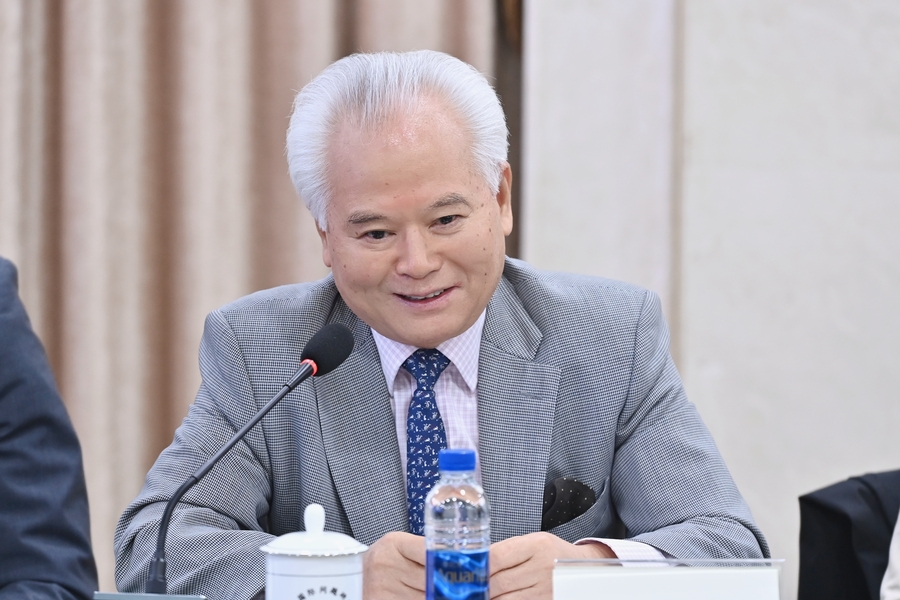
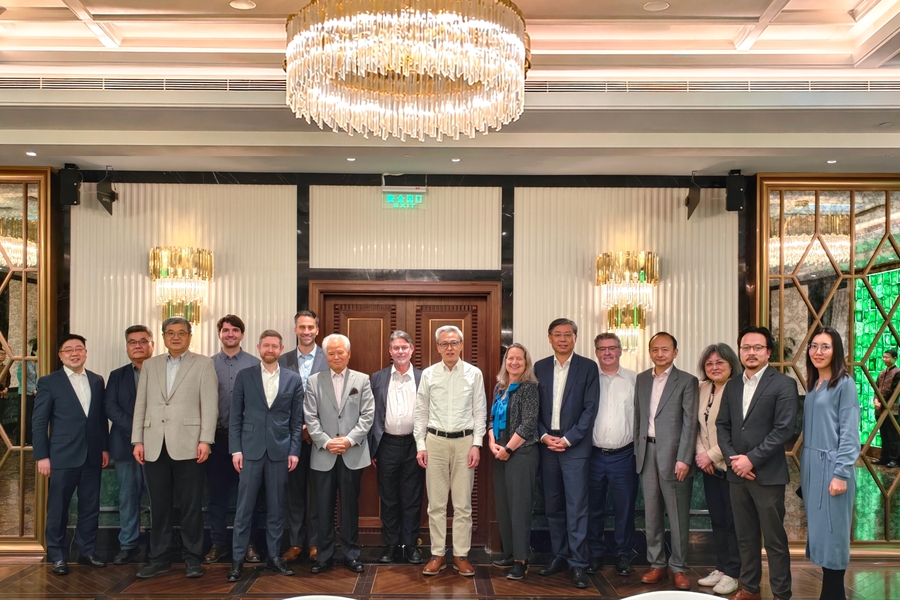
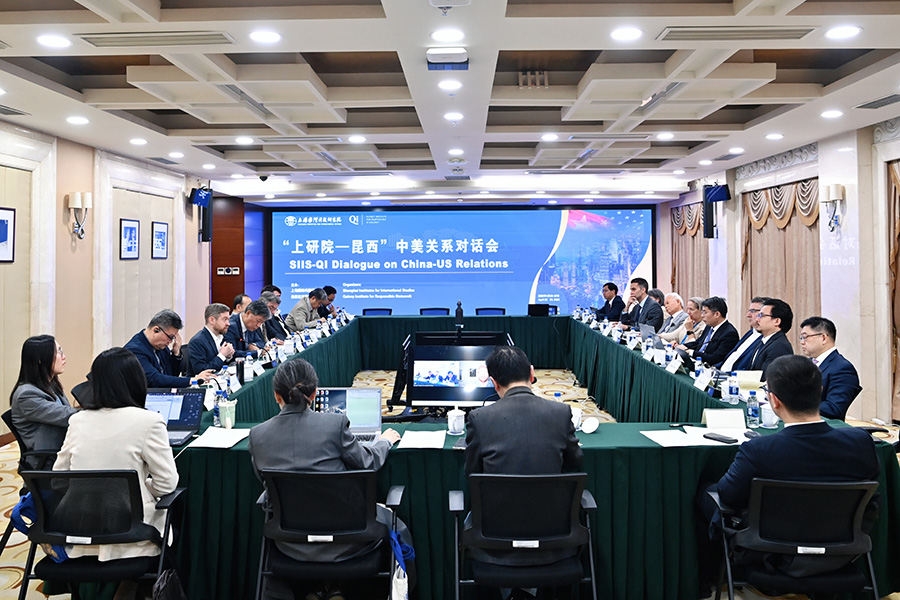
From April 28 to 29, Wu Shicun, Chairman of the Huayang Center for Maritime Cooperation and Ocean Governance (Huayang Center) and Chairman of the Academic Committee of the National Institute for South China Sea Studies (NISCSS), attended the annual China–U.S. relations dialogue in Shanghai co-hosted by the Shanghai Institutes for International Studies (SIIS) and the Quincy Institute for Responsible Statecraft. Wu Shicun delivered a keynote presentation under the theme “New Developments in Global Political Security and China–U.S. Relations.”
In his remarks, Wu Shicun offered a comprehensive analysis of the current state of China–U.S. relations, the defining features of the South China Sea security situation, and the evolution of U.S. policy toward the South China Sea. Wu Shicun argued that, at the current stage, China–U.S. relations should focus on seeking stability rather than fundamental improvement of the bilateral relationship. In the absence of a stable Track I dialogue mechanism, and against the backdrop of the Trump administration’s decision-making circle lacking experts with a deep understanding of China affairs, the most urgent priority for both countries should be to stabilize bilateral relations and prevent potential crises.
Wu Shicun noted that China–U.S. relations currently face several major challenges. First, there are frictions and differences in the economic, technological, and trade fields. Second, there are security-related issues, such as the Taiwan question and the South China Sea disputes, the root causes of which lie mainly with the United States. Third, it remains to be seen to what extent U.S. military operations in Latin America and the Middle East will affect China’s economic and geopolitical interests in those regions. Wu Shicun also provided a detailed analysis of the evolution of U.S. South China Sea policy and the current features of the South China Sea situation.
The dialogue also covered topics including “Changes in the Middle East Regional Landscape and China–U.S. Competition,” “The Impact of the Reshaping of Transatlantic Relations on China–U.S. Relations,” “Changes in the Asia-Pacific Regional Landscape and China–U.S. Relations,” “China–U.S. Competition and Cooperation amid the Rise of the Global South and Reform of the Global Governance System,” and “Prospects for China–U.S. Presidential Diplomacy and Potential Agendas for Cooperation.”
Chen Dongxiao, President of the Shanghai Institutes for International Studies, and Lora Lumpe, Chief Executive Officer of the Quincy Institute for Responsible Statecraft, attended the dialogue.