Huayang South China Sea Narrative
The 14th Round of the China-U.S. Track II Dialogue on Maritime Affairs and International Law Held in Sanya
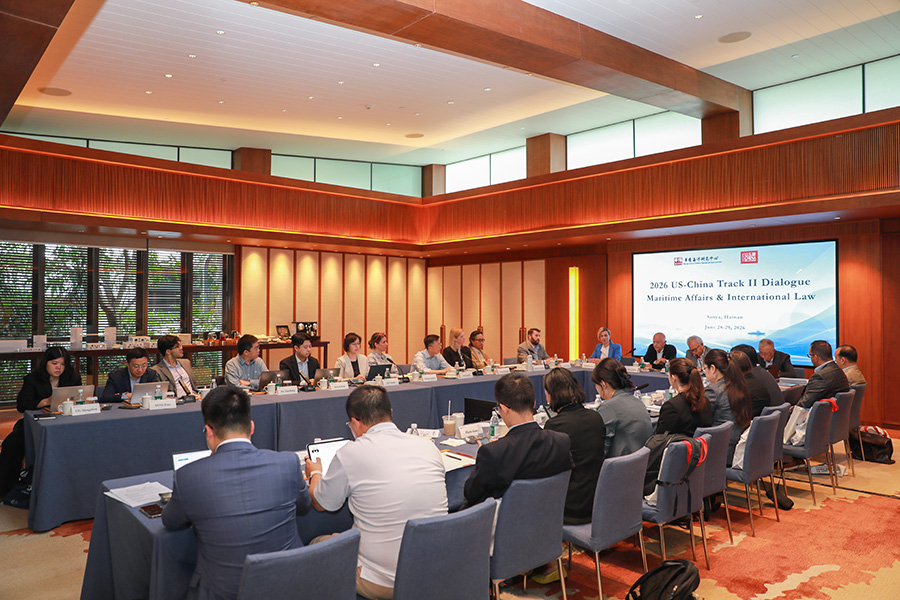
June 28-29, the 14th Round of the China-U.S. Track II Dialogue on Maritime Affairs and International Law, jointly hosted by the Huayang Center for Maritime Cooperation and Ocean Governance and the National Committee on U.S.-China Relations (NCUSCR), was held in Sanya. This dialogue marks the resumption of in-person exchanges between the two sides after an eight-year hiatus, carrying special and significant importance for sustaining the Track II dialogue mechanism and strengthening communication on maritime issues—particularly the South China Sea.
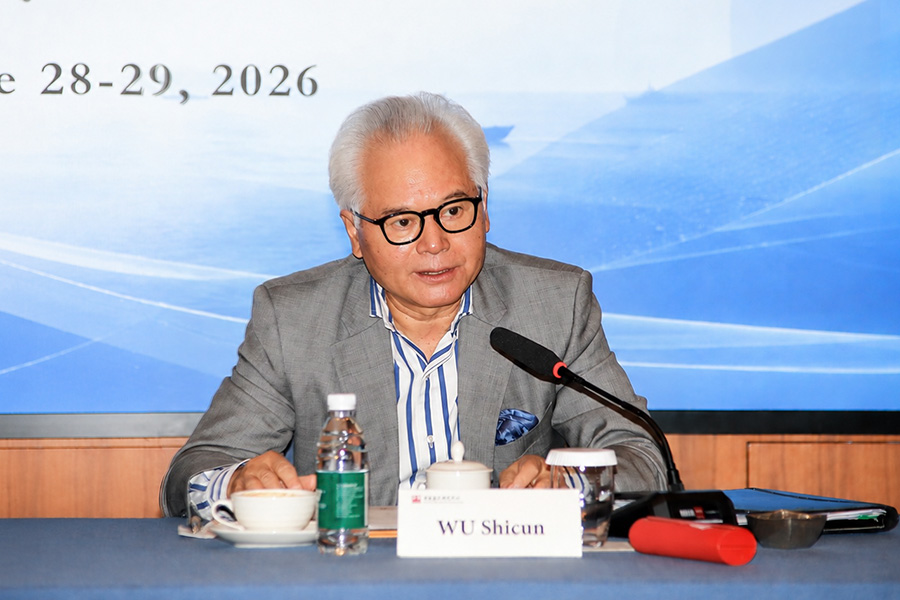
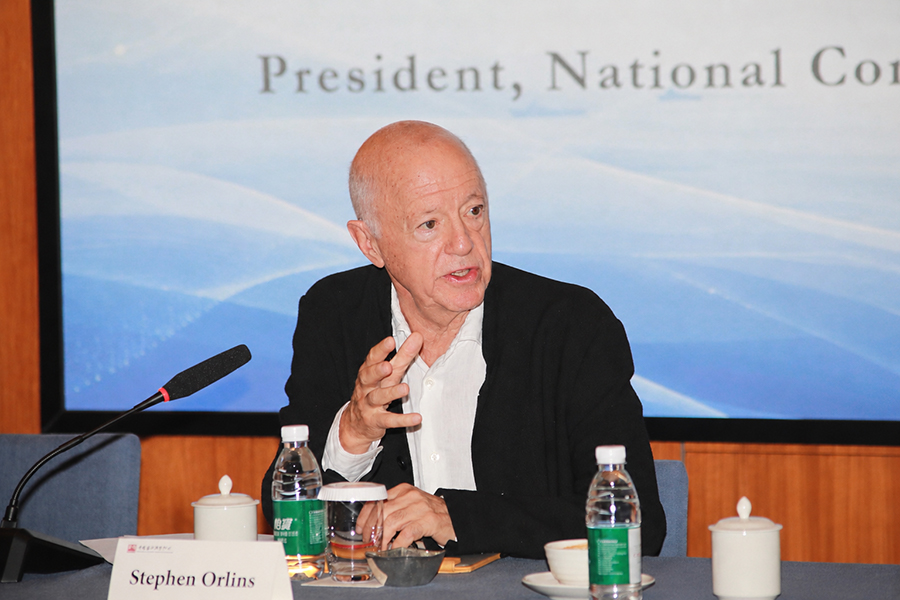
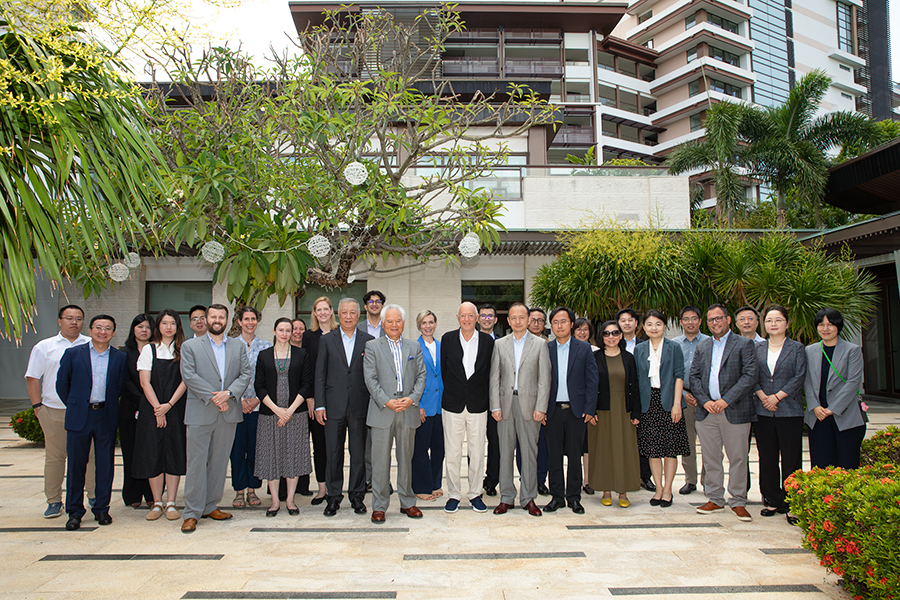
Wu Shicun, Chairman of the Huayang Center and Chairman of the Academic Committee of the National Institute for South China Sea Studies (NISCSS), and Stephen Orlins, President of the NCUSCR, delivered opening and closing remarks, and moderated thematic discussions. Nearly 30 experts and scholars from think tanks and universities in both countries participated, including representatives from the Huayang Center, NISCSS, the Chinese Academy of Social Sciences, Tsinghua University, Fudan University, Wuhan University, Nankai University, as well as the NCUSCR, the U.S. Naval War College, the Center for Strategic and International Studies, the University of Southern California, the University of Washington, and Seton Hall University. Discussions focused on topics such as “Overview of the Maritime Security Landscape and Major Developments since 2025,” “The South China Sea Issue and International Law,” and “Practical Maritime Cooperation and Crisis Management,” featuring candid exchanges and in-depth dialogue.
In his remarks, Wu Shicun reviewed the development of the Track II Dialogue on Maritime Affairs and International Law and outlined its future prospects. He also delivered guiding remarks during Session I, addressing the current security situation in the South China Sea. Wu Shicun noted that the region is in a complex phase marked by frequent localized tensions and accelerating militarization driven by external involvement. He highlighted several concurrent dynamics: increased military engagement by extra-regional actors in South China Sea affairs; the diversification and strengthening of China’s rights protection capabilities; insufficient willingness among claimant states to pursue maritime cooperation; and the steady but increasingly challenging negotiations on the Code of Conduct in the South China Sea. As a result, he warned of a rising risk that the South China Sea may return to the forefront of geopolitical competition, with an uncertain and concerning outlook.
In his opening remarks, Stephen Orlins emphasized that although the number of Track I and Track II dialogue mechanisms between China and the United States has declined in recent years, maintaining regular bilateral exchanges among think tanks and scholars remains an effective means of building trust and managing differences. This is particularly true for the Track II Dialogue on Maritime Affairs and International Law, which was initiated in 2014 and has continued without interruption.
Participants including Xu Xiaodong, Executive Vice Chairman of the Huayang Center, Associate Research Fellow Bao Yinan, and researchers Yan Yan and Ding Duo from the NISCSS attended the meeting as delegates or observers. Attendees generally agreed that Track II dialogue plays a constructive role in enhancing mutual understanding and reducing misperceptions through people-to-people diplomacy and think tank exchanges, thereby facilitating effective communication on maritime issues between China and the United States.
The China-U.S. Track II Dialogue on Maritime Affairs and International Law was jointly initiated by Wu Shicun and Stephen Orlins in October 2014. Having operated steadily for 12 years, it serves as an institutionalized platform for exchanges between think tanks of both countries on maritime policy, situational assessments, crisis management, and maritime cooperation. The current round of dialogue will last for two days.