Huayang South China Sea Narrative
Roundtable Dialogue on South China Sea Security and Launch Event for A New Critique of the South China Sea Arbitration Award held in Hong Kong
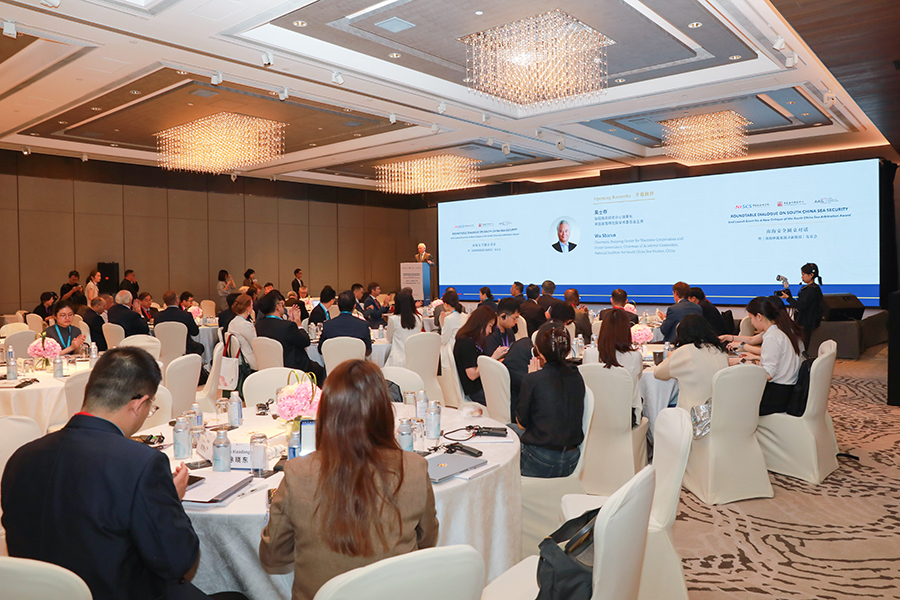
On July 13, the Roundtable Dialogue on South China Sea Security and the Launch Event for A New Critique of the South China Sea Arbitration Award, jointly organized by the Huayang Center for Maritime Cooperation and Ocean Governance (Huayang Center), the National Institute for South China Sea Studies (NISCSS), and the Asian Academy of International Law (AAIL), were successfully held in Hong Kong, China.
More than 100 experts and scholars, government officials, diplomatic representatives based in Hong Kong, and representatives of international organizations and media institutions attended the event. Participants came from China, the United Kingdom, Germany, Canada, Australia, the Netherlands, Japan, the Republic of Korea, Malaysia, Myanmar, Sri Lanka, and other countries, as well as from the Hong Kong and Taiwan regions of China. The participants engaged in in-depth discussions on topics including “A New Critique of the South China Sea Arbitration Award: Jurisdiction, Legal Flaws, and Implementation Challenges,” “Assessment of the South China Sea Security Situation and Risk Response,” and “Maintaining Stability in the South China Sea: Laws, Rules, and Order.” The report A New Critique of the South China Sea Arbitration Award was also officially launched during the event.
Wu Shicun, Chairman of the Huayang Center and Chairman of the Academic Committee of NISCSS, and Huang Jiefang, Secretary-General of AAIL, delivered welcome remarks. Qi Dahai, Director-General of the Department of Treaty and Law of the Ministry of Foreign Affairs of China; Stephen Fietta, founder of the UK-based law firm Fietta LLP; and Wu Shicun, respectively delivered keynote speeches.
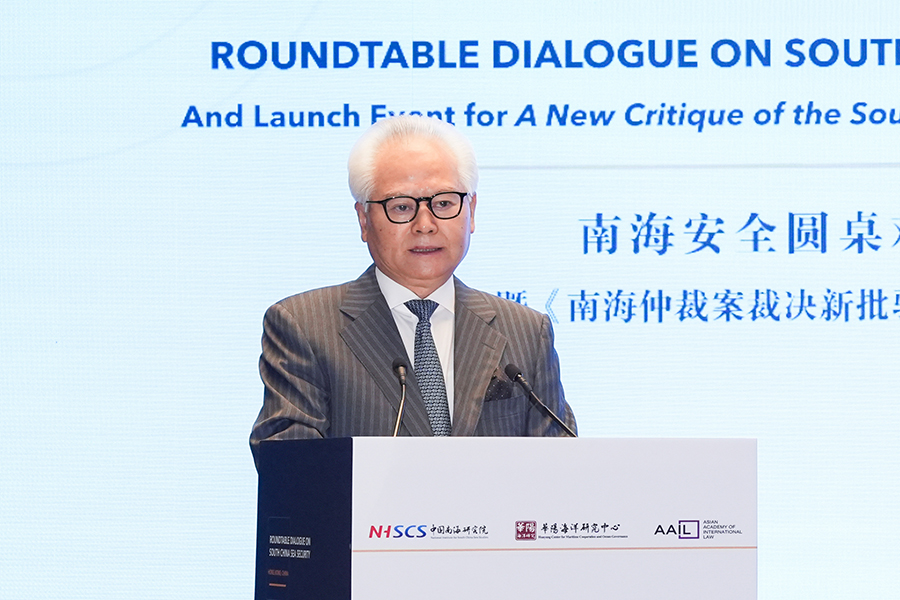
Wu Shicun, Chairman of the Huayang Center and Chairman of the Academic Committee of NISCSS, delivered keynote speech
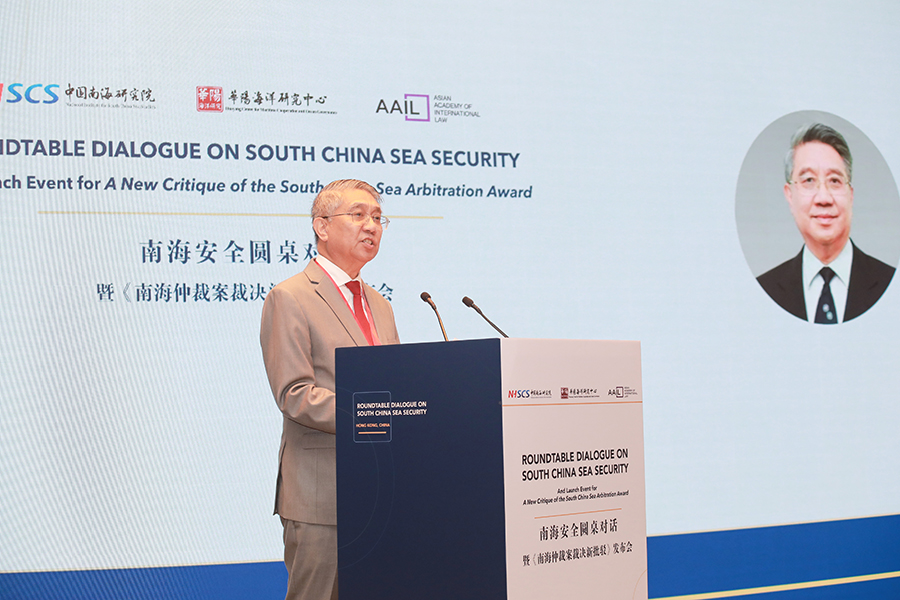
Huang Jiefang, Secretary-General of AAIL, delivered welcome remarks
Qi Dahai stated that, ten years ago, the arbitral tribunal in the South China Sea arbitration exceeded its jurisdiction and rendered an unlawful and invalid award in disregard of the law. From the outset, the Chinese government neither accepted nor participated in the arbitration, and it neither accepts nor recognizes the so-called award. This position represents a legitimate exercise of China’s rights under international law and a concrete effort to uphold the integrity, seriousness, and authority of international law. It has also received broad understanding and support from the international community. Nevertheless, a small number of countries, including the United States and the Philippines, have continued to revive and exploit the award. More recently, they have taken a series of actions aimed at using it to justify hegemonic or provocative conduct in the South China Sea. Such actions erode the international maritime order, undermine regional peace and stability, and harm China’s lawful rights and interests. It is therefore necessary to continue rebutting erroneous claims, uphold fairness and justice, and set the record straight before the international community. China’s sovereignty over the South China Sea islands and its rights and interests in the relevant waters are supported by ample historical and legal grounds. China lawfully enjoys territorial sovereignty, maritime rights and interests, and historic rights in the South China Sea, and its activities there are consistent with international law. China has consistently maintained that disputes should be peacefully resolved through bilateral negotiation and consultation, and stands ready to work with regional countries to manage the situation in the South China Sea and advance maritime cooperation. China firmly opposes attempts by countries outside the region to use the award as a pretext to interfere in South China Sea affairs and undermine regional peace and stability.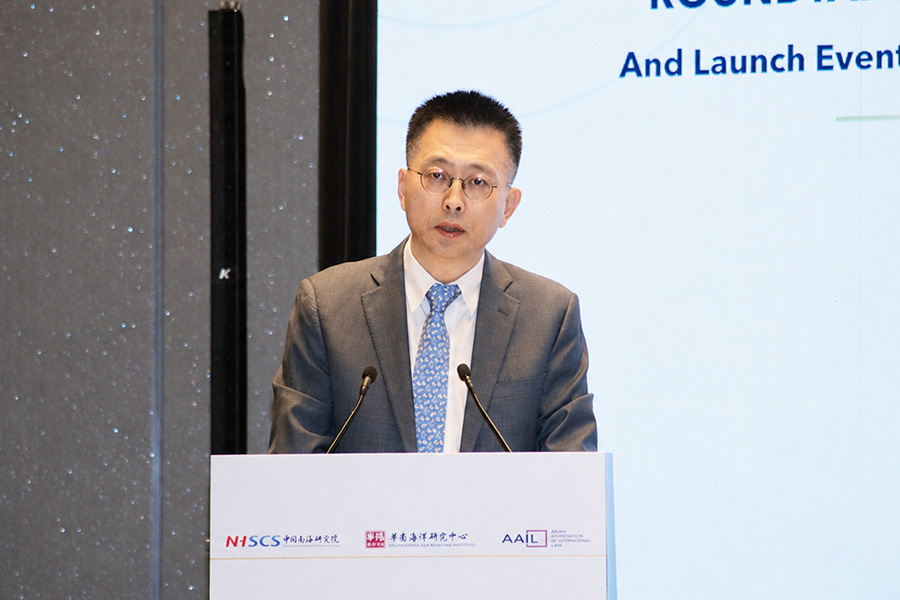
Qi Dahai, Director-General of the Department of Treaty and Law of the Ministry of Foreign Affairs of China, delivered keynote speech
Fietta emphasized that state practice, international judicial practice, and academic research over the past decade demonstrate that the South China Sea arbitration award has had only a limited impact on the development of the international law of the sea. Many states continue to claim exclusive economic zones and continental shelves from small islands and maritime features, while also continuing to recognize historic rights or traditional fishing rights—practices that are inconsistent with the conclusions reached in the award. Subsequent decisions of the International Court of Justice, the International Tribunal for the Law of the Sea, and other international judicial bodies have generally avoided or declined to adopt the award’s central reasoning concerning Article 121 of the United Nations Convention on the Law of the Sea and historic rights. In addition, several former presidents of the International Court of Justice and the International Tribunal for the Law of the Sea, as well as internationally renowned scholars of the law of the sea, have offered systematic criticisms of the award’s approaches to treaty interpretation, the legal regime of islands and maritime features, and historic rights. Taken as a whole, the award has neither established rules of international law with broad and general influence nor gained widespread acceptance within the international community.
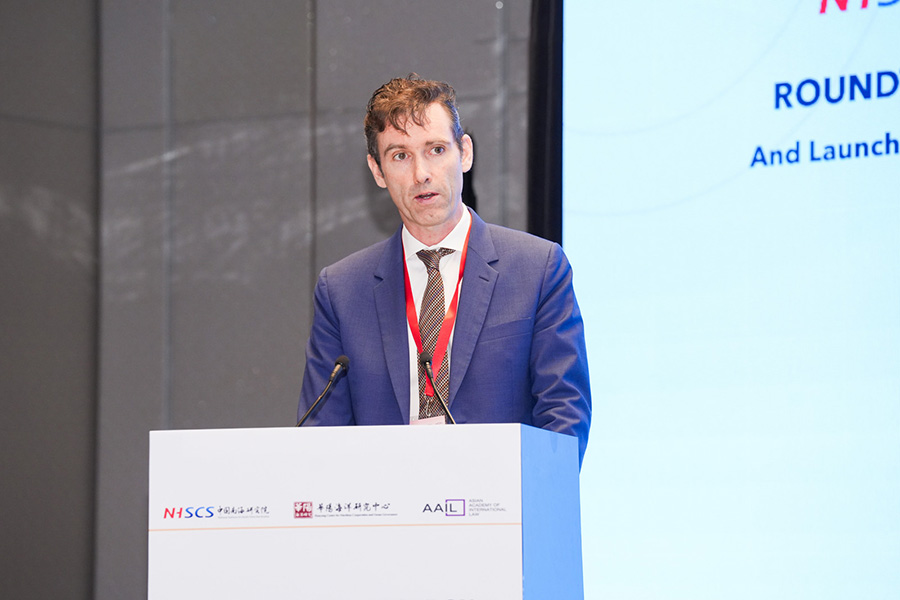
Stephen Fietta, Founder of Fietta LLP, delivered keynote speech
Wu Shicun noted that the award has become a bond and a source of alignment between the Philippines and other countries seeking either to invoke it in support of the so-called “China threat in the South China Sea” narrative or to use it to legitimize gains obtained through unlawful means. The award has neither brought, nor can it ever bring, peace and stability to the South China Sea. On the contrary, it has become a source of trouble and instability in the region, a disruptive factor in China’s bilateral relations with other claimant states over South China Sea issues, and the greatest obstacle and stumbling block to the full and effective implementation of the Declaration on the Conduct of Parties in the South China Sea and the orderly advancement of consultations on a Code of Conduct in the South China Sea. Over the next decade and beyond, it will remain necessary to respond appropriately and firmly counter the award, as well as claims and actions based upon it.
At the Launch Event for A New Critique of the South China Sea Arbitration Award, Xu Xiaodong, Executive Vice Chairman of the Huayang Center, and Zhou Yong, Vice President of NISCSS, jointly presented the report and provided an overview of its key findings. They also engaged with representatives of several media outlets in a discussion on the report’s content.
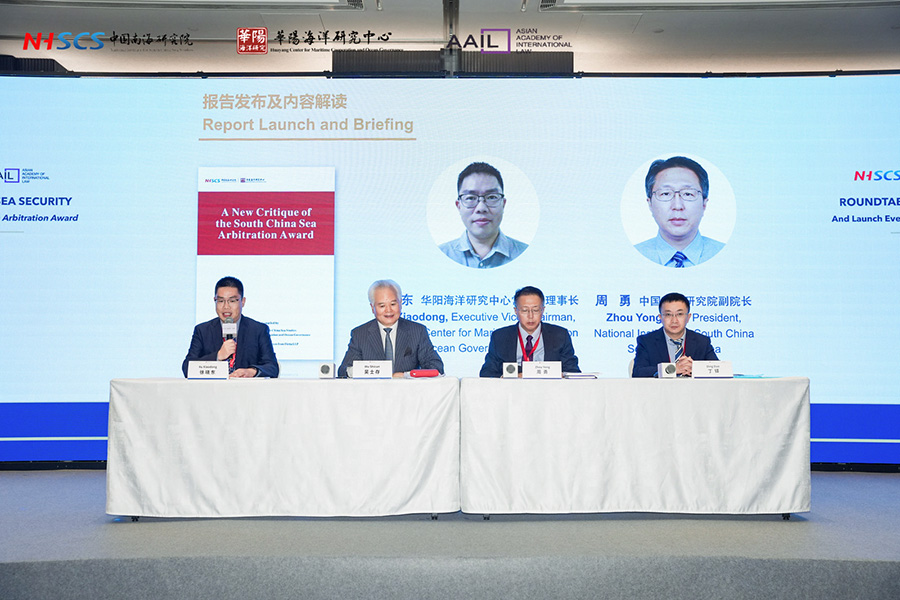
Launch Event for A New Critique of the South China Sea Arbitration Award
A New Critique of the South China Sea Arbitration Award was jointly prepared by NISCSS and the Huayang Center, with legal support and advisory services provided by the UK-based law firm Fietta LLP. The report offers an in-depth assessment of the South China Sea arbitration award and identifies major errors and deficiencies in its interpretation and application of law, findings of fact, and assessment of evidence.
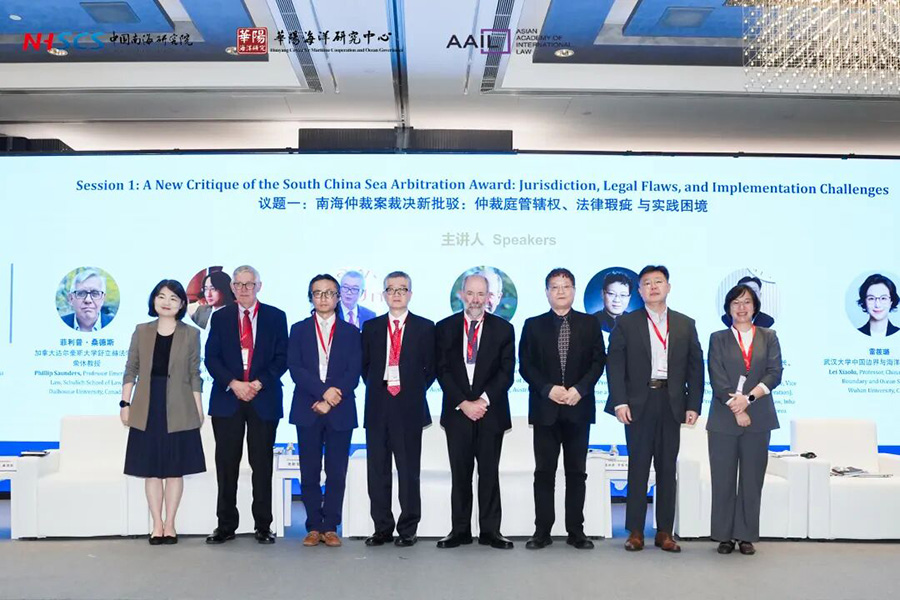
Session 1: A New Critique of the South China Sea Arbitration Award: Jurisdiction, Legal Flaws, and Implementation Challenges
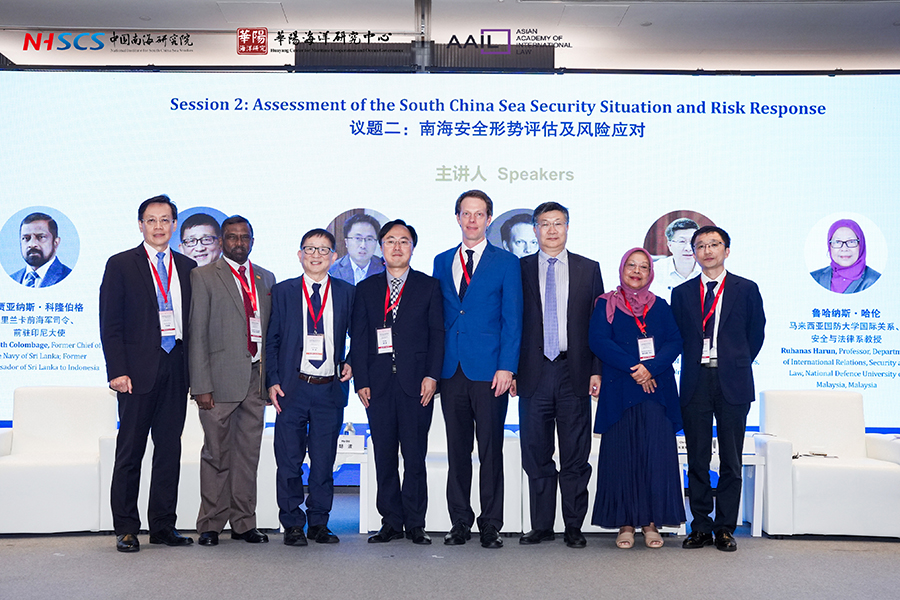
Session 2: Assessment of the South China Sea Security Situation and Risk Response
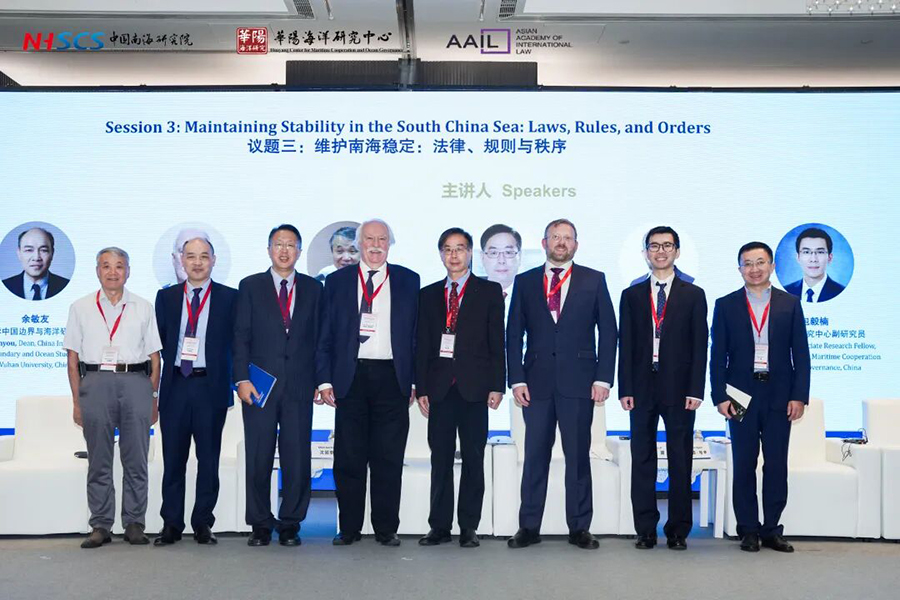
Session 3: Maintaining Stability in the South China Sea: Laws, Rules, and Order
The conference was held on the tenth year of the issuance of the so-called South China Sea arbitration award. Some claimant states have invoked the award to justify unilateral actions that infringe upon the rights and interests of others, while its spillover effects are gradually undermining the positive momentum toward greater stability in the South China Sea. The outcomes of the conference will provide strong support for the continued and comprehensive rebuttal of the unlawful award, the elimination of its harmful legacy, and the maintenance of peace and stability in the South China Sea.
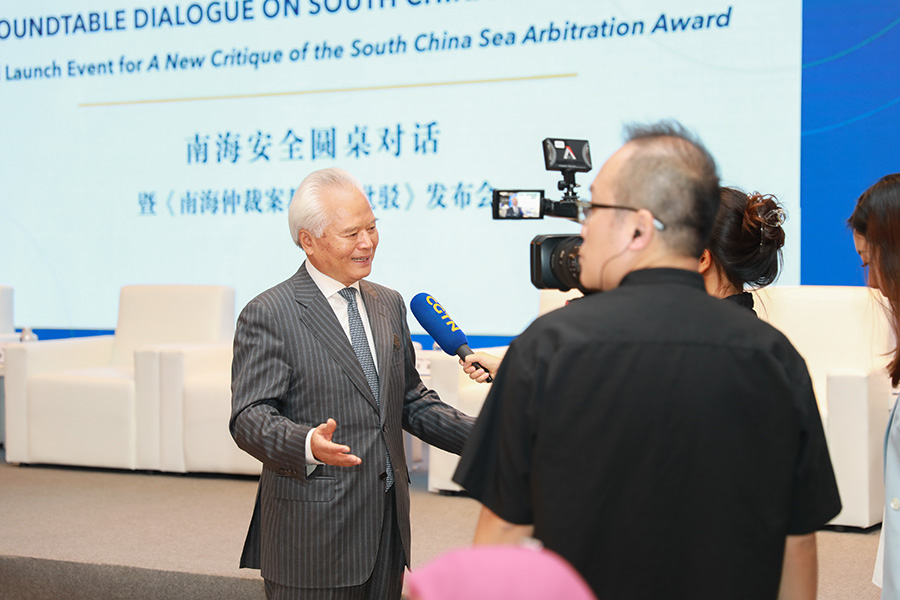
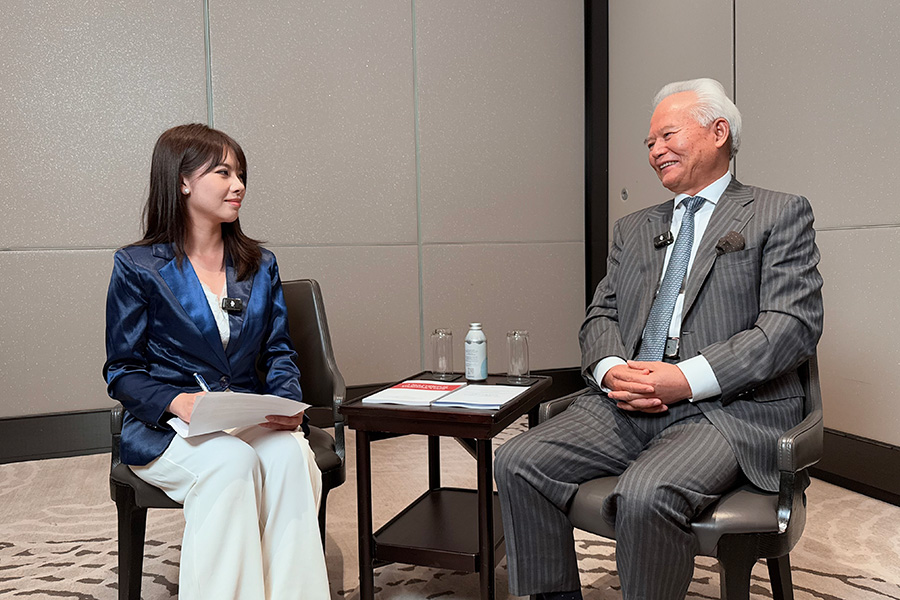
During the conference, Wu Shicun gave interviews to several media outlets, including Xinhua News Agency, China Media Group, China News Service, and Shenzhen Satellite TV.
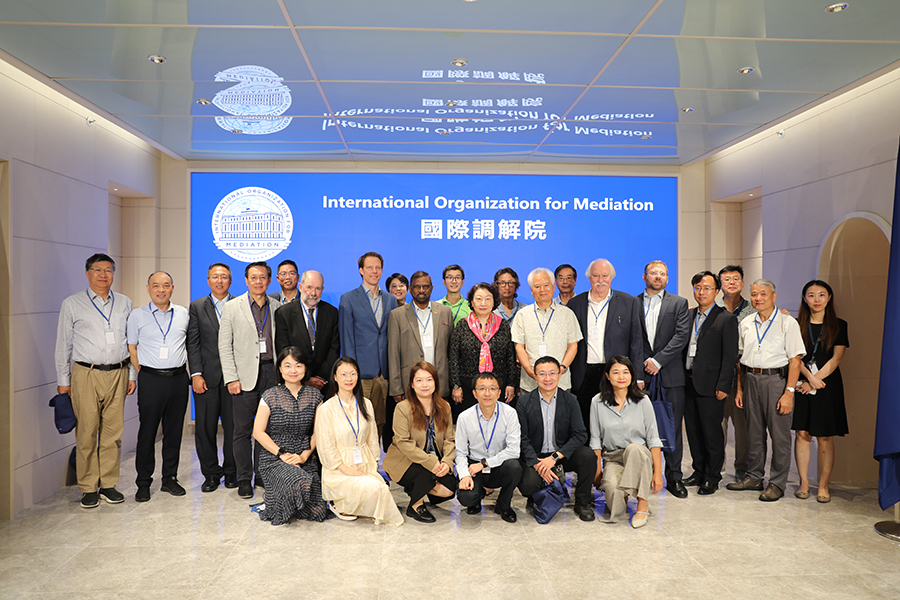
On July 14, a number of conference participants were invited to visit the International Organization for Mediation. During the visit, Secretary-General Teresa Cheng Yeuk-wah exchanged views with the visiting experts and scholars on the background to the organization’s establishment and the potential role of mediation as a means of resolving various types of disputes.